To succeed as a copywriter, you must sound professional.
- To close high-ticket sales - you have to know what your clients talk about.
- To qualify for promotion - you have to contribute in work meetings. For this to happen, you have to understand the copywriting lingo.
Here are 29 essential terms you must know before you call yourself a copywriter.
🧱 The Basics
- **Copywriting -**The art and skill of crafting persuasive text to get readers to take action. Copywriting is usually aimed at selling products or services.
- **Copy -**The written text in marketing materials that persuades audiences to take specific action.
🎨 Types of copywriting
- Direct Response – Copy designed to prompt immediate action, like making a purchase or signing up.
- Indirect Response – Copy aimed at gradually building interest or brand awareness instead of immediate action.
- Landing Page – A standalone webpage to capture leads (potential future customers) or drive conversions. Usually focused on a single offer.
- Sales Letter – A piece designed to persuade a reader to buy something. Used in direct-response marketing.
- Newsletter – Regular content sent to subscribers via email, typically used to share updates, build relationships, or promote products.
🖼️ Frameworks
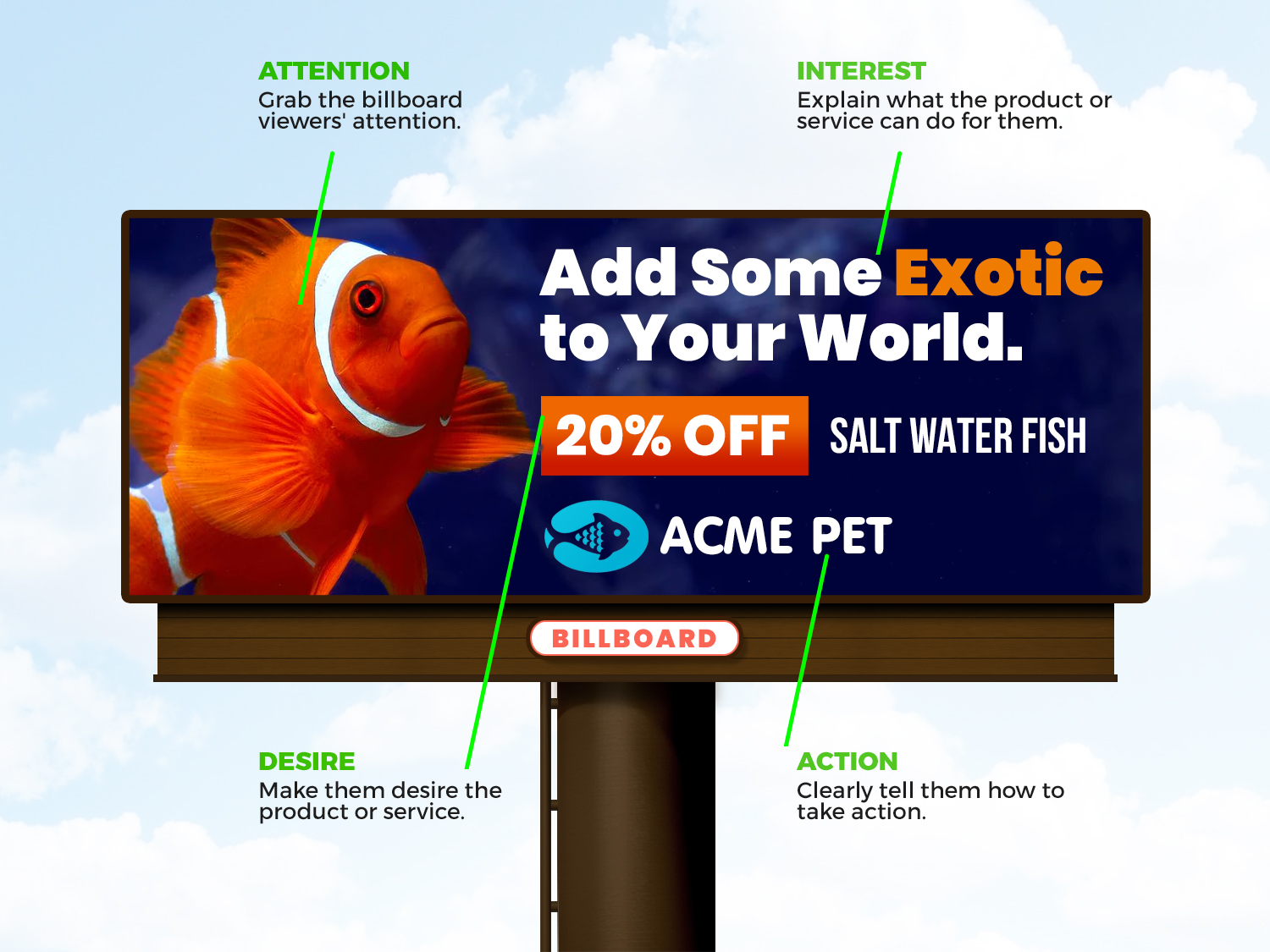
- AIDA (Attention, Interest, Desire, Action) – A framework that guides readers from grabbing their attention to creating interest and desire, and finally, leading to a CTA.
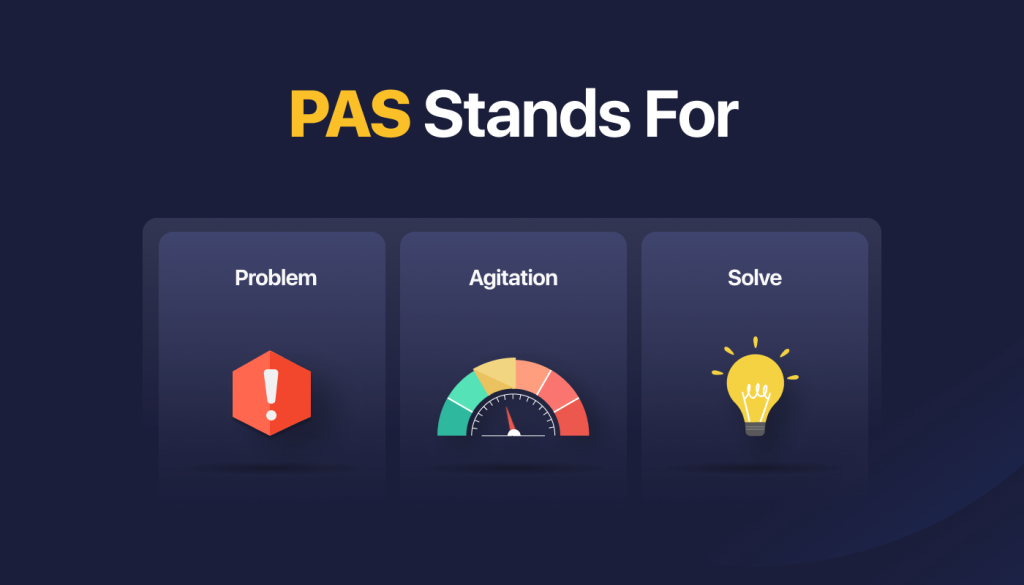
- PAS (Problem, Agitate, Solution) – A framework that introduces a problem that the reader has, agitates it, and then offers a solution.
- BAB (Before-After-Bridge) – A framework that shows readers their “before” state, the improved “after” state, and how to bridge the gap (your product or service).
🧬 Process
- Brief – A document that outlines the goals, audience, and specifics of a copy project. Usually given to a copywriter from a client or manager to kickstart a project.
- **Market Research -**The process of gathering information about your target audience, competition, and industry. Research can be 80% of the entire art of copywriting.
- Ideation – Brainstorming and generating new ideas for copy, campaigns, or strategies.
- Proofreading – Review your copy for spelling, grammar, and punctuation errors to ensure clarity and professionalism. Proofreading is usually the last stage of the editing process.
👥 Audience
- ICP (Ideal Customer Profile)– A detailed description of your potential reader, helping the copywriter write copy that appeals to this specific type of person.
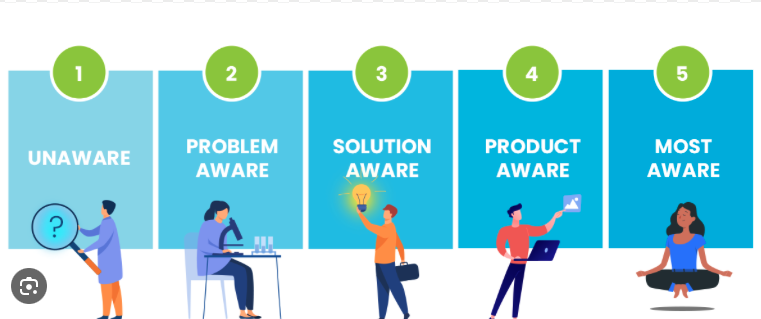
- Stages of Awareness -The levels of familiarity your audience has with a problem or solution, from unaware to fully aware. Influences your copy approach heavily.
- **Niche -**A specific segment of a market that has unique characteristics and needs, helping you focus your copy on a targeted audience. For example, inside the productivity market, there is a niche of productivity coaching for startup CEOs.
✍🏻 Writing Essentials
- Tone of Voice – The personality of your copy. Can be formal, friendly, optimistic, joyful, etc.
- Hook – The opening sentence or phrase that grabs the reader’s attention, encouraging them to read further. Headlines can also be considered hooks.
- Storytelling – Adding stories into your copy to make it more engaging and memorable, creating an emotional connection.
- CTA (Call-to-Action) – A prompt encouraging readers to take a specific action, such as “Buy Now” or “Sign Up Today.”
- Conversion – When a reader takes the desired action, like making a purchase or signing up, due to your copy. They have “converted” from a reader into a customer.
📊 Analytics
- A/B Testing (Split Testing) – Testing two versions (or more) of copy to see which performs better in engagement or conversion.
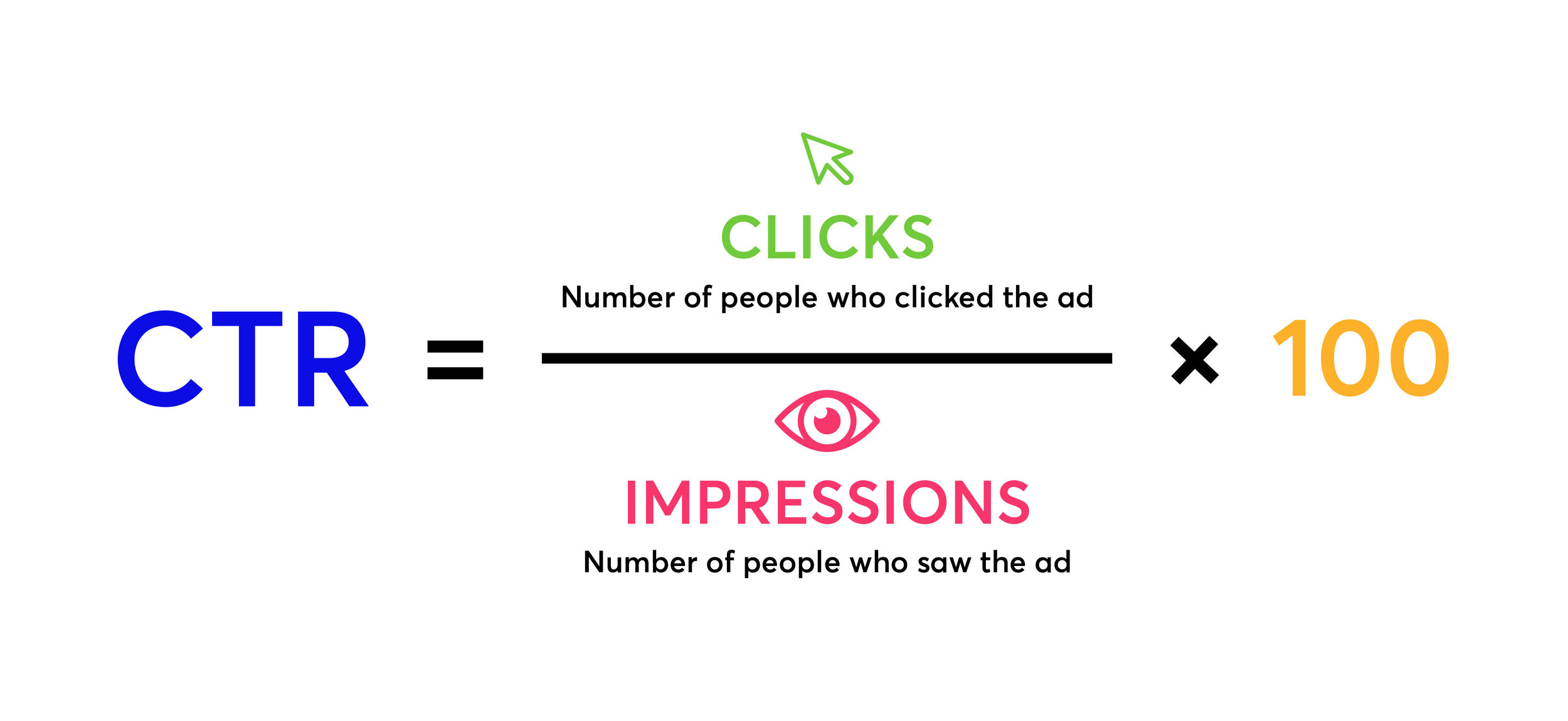
- CTR (Click-Through Rate) – The percentage of people who click on a link or CTA in your copy, indicating effectiveness.
- On-Page SEO – Optimizing your content with keywords and other tactics to improve search engine ranking.
➕ A few more
- Social Proof – Evidence that others trust or use your product, like testimonials or reviews, to build credibility. Crucial to make more sales.
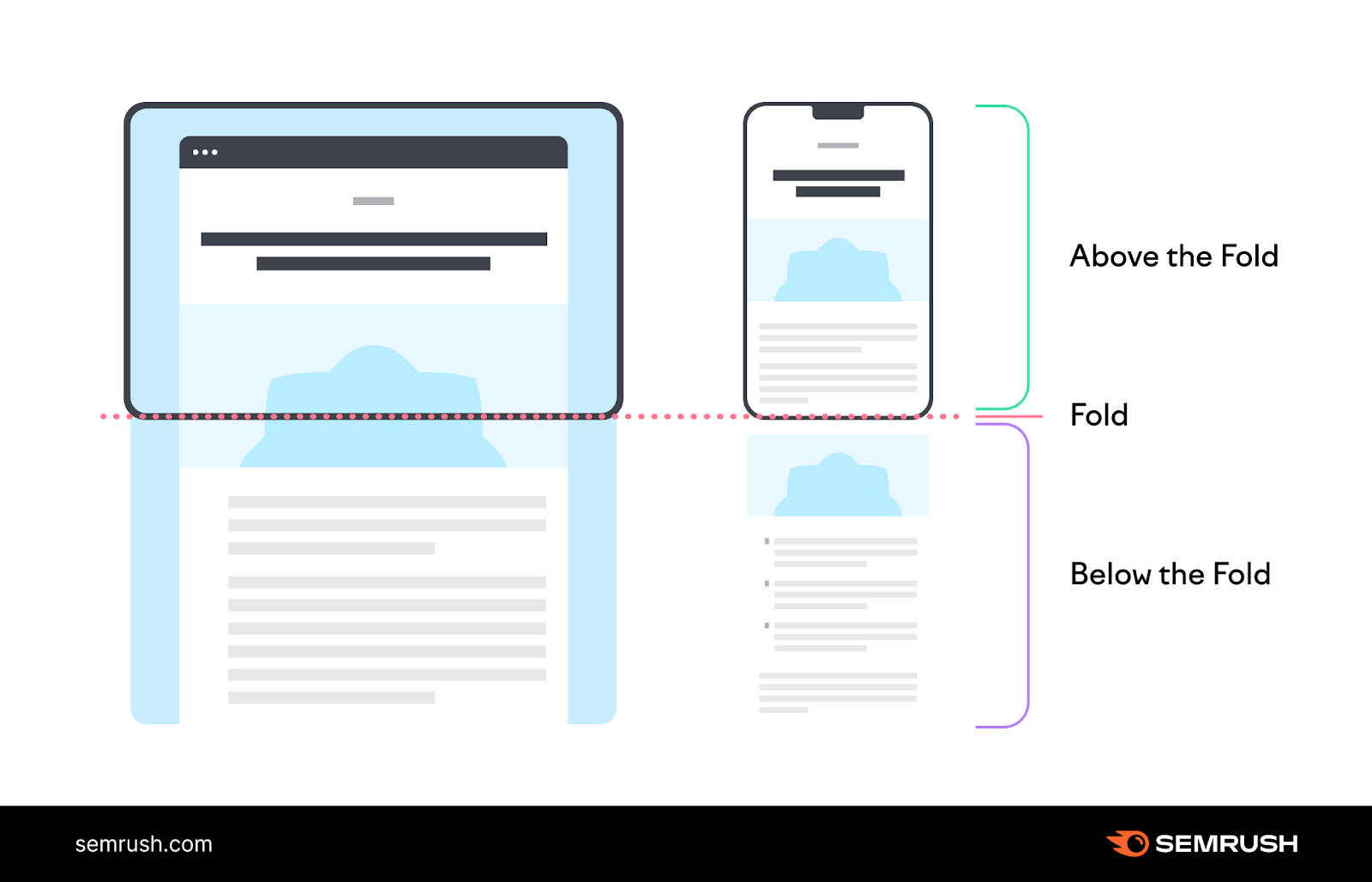
- Above the Fold – Content visible at the top of a webpage without scrolling, where key information and CTAs should be placed.
-
UVP (Unique Value Proposition)– The clear, specific benefit that sets your product apart from competitors.
-
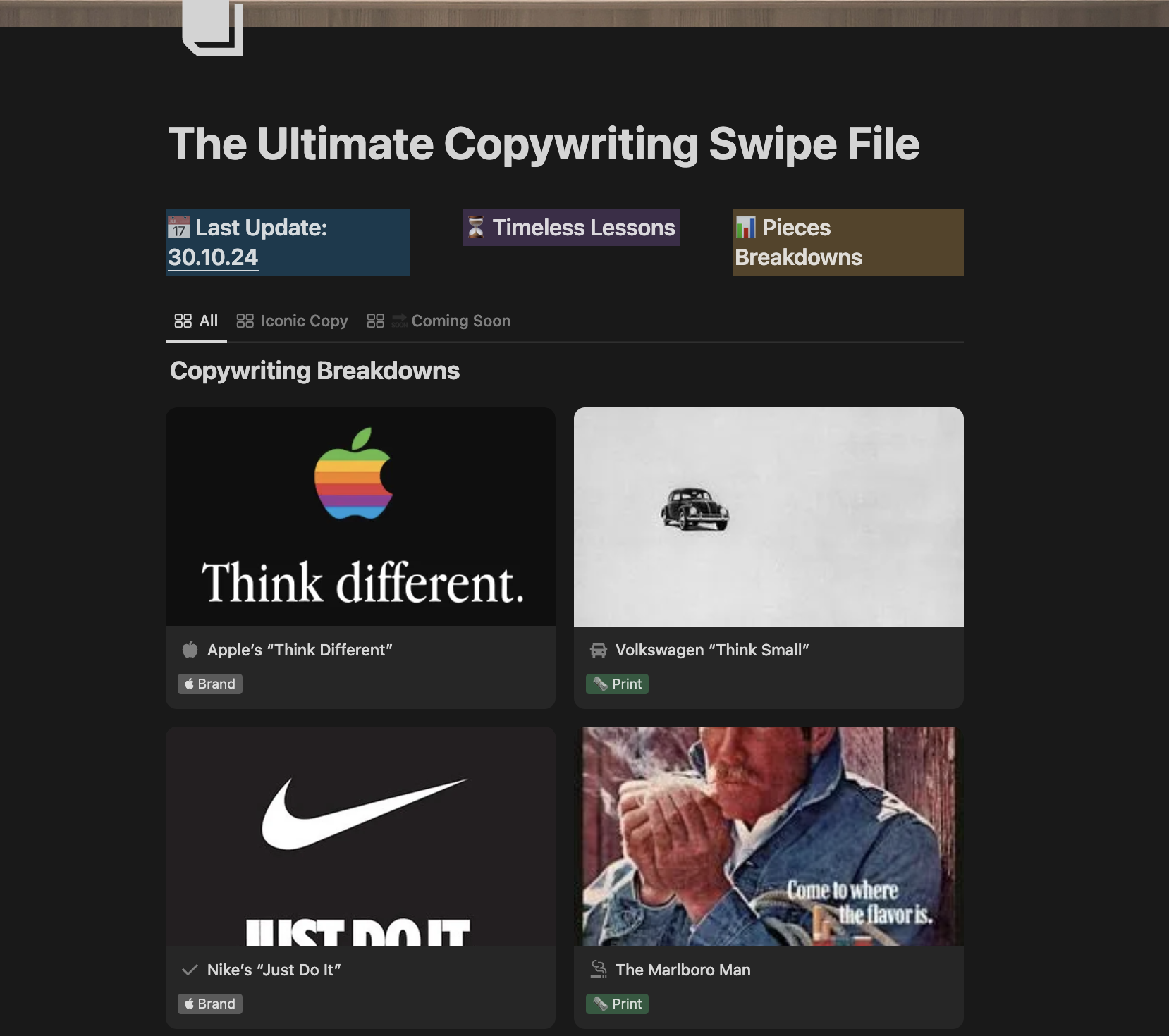
Swipe File – A collection of proven, effective copy examples for inspiration when crafting your copy.
Now, you can confidently approach any conversation at work and sound more professional on sales calls.
What other terms should be on this list?