This was the best copywriting book I’ve ever read.
It details the entire process and knowledge of one of the most legendary copywriters in America, Joseph Sugarman.
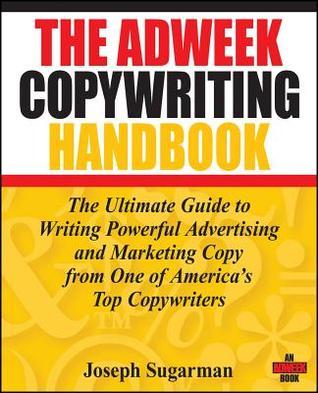
Here are all his secrets in under 5 minutes of reading:
1. The goal of copywriting
“To cause a person to exchange his hard-earned money for a product or service.”
Simple.
Using just words, we can make people reach into their pockets and give us money.
Copywriting is definitely a skill worth learning.
2. Life knowledge
All the great copywriters in history had one thing in common:
They were curious about life.
They:
- Had many hobbies
- Traveled a lot
- Read all the time
- Mastered a lot of skills The more we experience → the more we** know**→ the easier it is to** come up with that big copy idea.**
In addition to the list above, Joe suggests two more ways to develop general knowledge:
- Lateral Thinking: use a tool called a Think Tank and practice applying different ideas and concepts to your copy.
- Start your own business: being responsible for every word you write will take your skills to the next level. The great direct marketing copywriters worked for themselves.
3. Become an expert
“Becoming an expert means learning enough about a product to obtain specific knowledge so you can communicate the real nature of what you are trying to sell.”
Learn about the product’s features, benefits, pros, cons, unusual characteristics, history of updates, and future plans.
Diving deep into the product will make sure you come up with a unique selling point for your product.
4. Know your customer
A copywriter’s job is to connect the product to his customers’ pain.
That’s why the second step in the preparation phase is studying the customer.
First, understand their level of awareness.
Then, research their likes and dislikes, where they hang out, and what other products they use.
Learn to think from the POV of your customer, and you’ll know how to speak to them.
5. How to practice copy
There is no “best way” to write copy. The best method is just what works for you.
That’s why you have just to start.
Write everything you can. Landing pages, letters, ads, books.
Also, don’t worry about the first draft. Put something, anything, on paper, and you’ll start to improve.
6. The real purpose of graphic elements
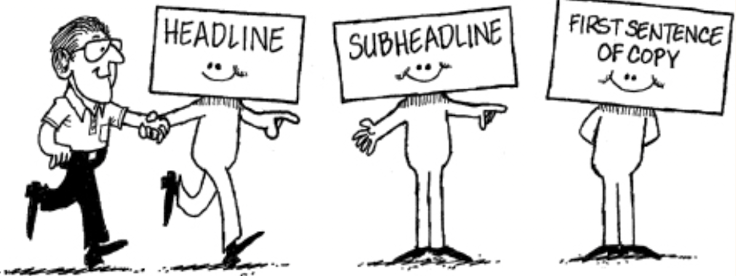
Your headline, subheadline, logo, photo, and layout have only one objective:
Get people to read the first sentence.
That’s it.
*Joe doesn’t explain much about how he came to this conclusion. He just asked us to trust him on this one.
7. The first sentence
If the purpose of everything is to get the reader to read the first sentence, it means the first sentence is pretty important.
We want to make it as easy as possible to read. How do we do it?
We make it short. This way, we pull the reader into reading the copy.
8. Control the environment
Just like a face-to-face salesman, we need to create the perfect buying environment for our readers.
But unlike regular salespeople, we can create any environment using nothing but our words.
- The page layout and first few paragraphs will set the stage for the sale. For example, we’ll use big fonts and simple, bold words if we are writing a discount ad.
- We have to make the reader say “yes” as he reads. As he reads the copy, he should feel we understand him and care about his specific situation.
- It’s all about leading the reader down a slippery slide. The layout should bring the reader to the first sentence. Each sentence should make the reader read the next one all the way till the end.
9. Seeds of Curiosity
We can use a technique called “Seeds of Curiosity” to make readers read to the end:
At the end of a paragraph, put a very short sentence that offers some reason for the reader to read the next paragraph. “But there’s more” “Let me explain”“But I didn’t stop there”“Now comes the good part”
It helps keep the reader interested; just don’t overuse it.
10. People buy with emotions but justify with logic
In your copy, appeal to the feelings first and discuss facts later.
People who buy Rolls Royce think about how they’ll feel in such a car, how people will stare at them when they drive.
This triggers the initial urge to buy.
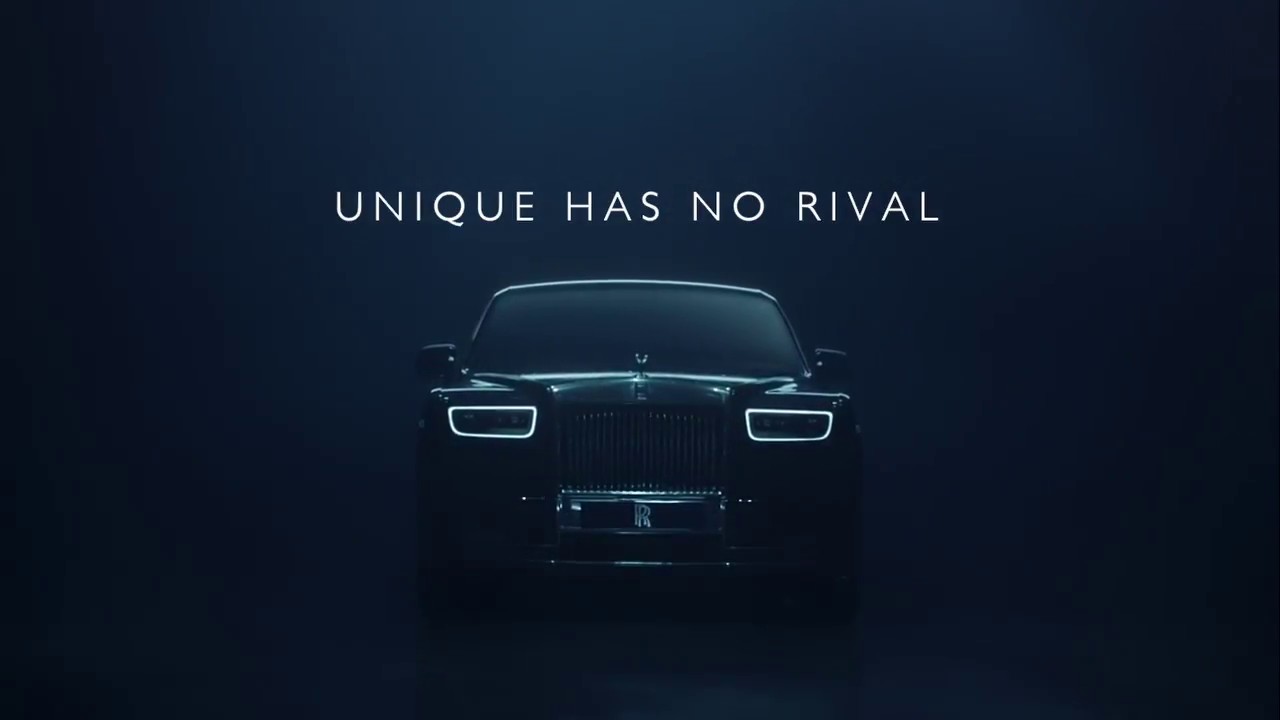
When the hype is over, they’ll justify the purchase with logic. They’ll talk about the car’s engine, how fast it goes, and why it’s a good investment.
These details didn’t matter when they decided to buy, but now it helps them feel good about the purchase.
11. Don’t sell the product, sell the concept
People rarely care about the features of the product. They care about what the product means to them.
The most famous example is the iPod.
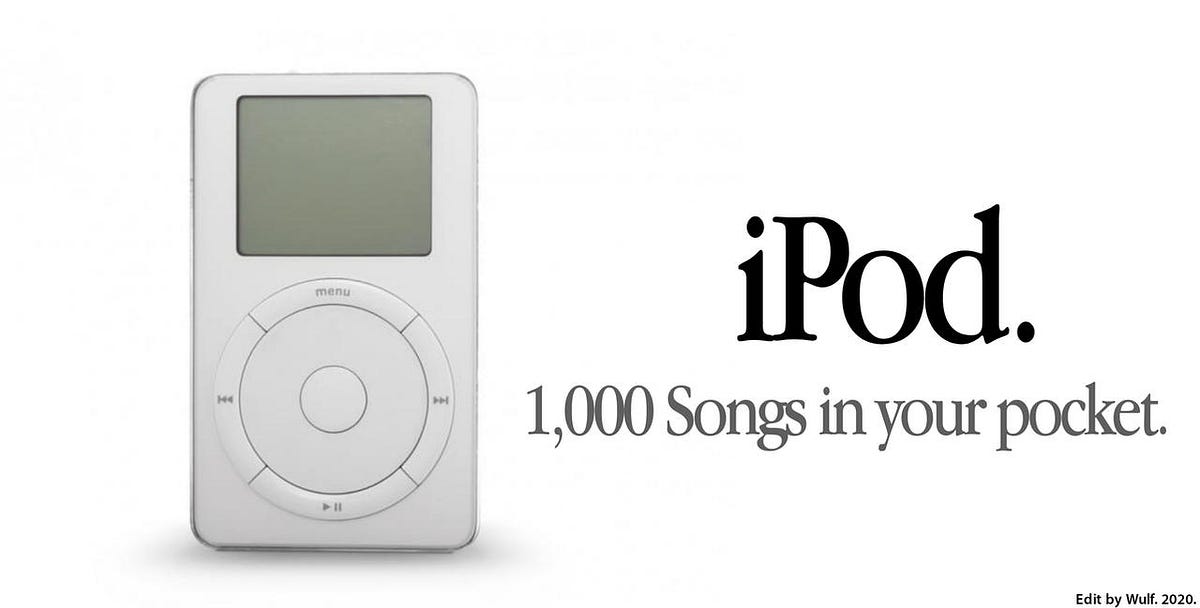
It’s not how many MB of storage you have. It’s about you having 1,000 songs in your pocket.
Sell what the product represents. What will the customer feel like after buying this product? What will he become?
Look for the hidden concept within every feature.
12. Incubation process
The setup work of a copywriter includes the following steps:
- Become an expert on the product
- Learn about your customer
- Think about your task. Maybe write a few headlines.
- Incubate
- Write copy Incubation means doing something pleasurable and not thinking about copy.
Take a walk, drink a cup of coffee. Take your mind off the work.
This break is crucial for coming up with great copy ideas.
Don’t feel bad about not working. Your mind processes everything you learn and does important work in the background.
13. Should copy be long or short?
Let’s say I write a blog post, and the title mentions your first and last name.
The entire content is tailored to your situation. I talk about how to overcome every specific challenge you are currently experiencing in your life.
You would read this post even if it had 4,000 words.
This extreme example is here to illustrate one thing:
As long as the copy is compelling and we make the reader take the required action at the end, there is no word limit.
14. Editing
The point of editing is to express what you want to say using the fewest words possible.
Remember, you can make your copy long (point #13), but you must make it compelling to read.
And compelling copy is usually straight to the point. Easy to read.
That’s why editing is about removing things:
- Remove unnecessary words: Good examples are “that,” “like’“ and “really.”
- Combine sentences whenever possible.
- Edit for rhythm: “Make sure you vary the length of sentences so they don’t sound monotonous.” Remember, even removing one word is a good move.
15. Sell the cure, not the prevention
It’s human nature to think “It’s not going to happen to me”. That’s why most people ignore prevention tactics.
For example, most people will not eat healthy food and exercise because it’s hard and not urgent.
But when they get sick because of their habits, they will pay whatever it takes to get the pain away.
That’s why you want to sell the cure. People always need a cure. And they need it fast and now.
Even if your product is not a cure, if you become an expert on your product, you will find a good selling angle that will make it look like a cure.